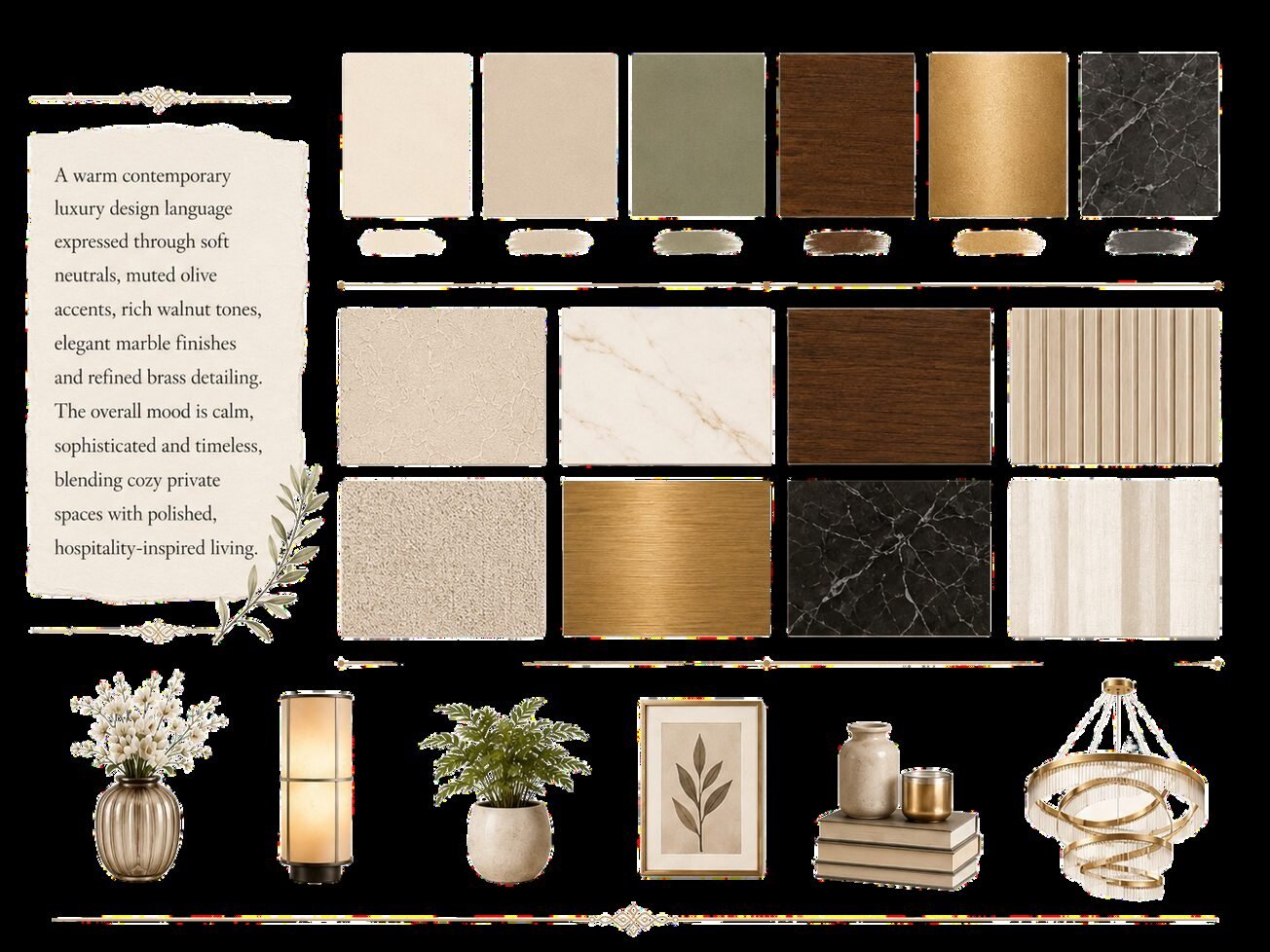
When planning an interior, materials are often chosen based on how they look. A beautiful finish, an elegant texture or a trending colour can instantly make a space feel attractive. But interiors are not meant to be looked at alone—they are meant to be lived in.
The right material needs to work with your everyday lifestyle. It should be able to handle regular use, be practical to maintain, suit the space it is being used in and continue to look good over time. A material that looks perfect on the day of installation may not always be the right choice for everyday living.
This is why material selection should be considered as an important part of interior planning rather than simply a finishing decision.
Look Beyond Aesthetics
Aesthetics are undoubtedly important. Materials contribute significantly to the overall character of a home, from the warmth of wood finishes to the clean appearance of laminates, the elegance of stone and the texture of fabrics.
However, choosing a material only because it looks good can create problems later.
Before finalising a material, it is important to consider where it will be used and how frequently that area will be used. A surface in a frequently used kitchen, for example, has very different requirements from a decorative surface in a formal living room.
The material should complement the design while also performing well in its intended environment.
Consider Your Everyday Lifestyle
Every home is different, which means there cannot be one material that is perfect for every space or every family.
A home with young children may require surfaces that are easier to clean and more resistant to everyday wear. A kitchen that is used extensively may need materials that can handle moisture, heat and frequent cleaning. Similarly, wardrobes, furniture and flooring need to be selected according to the level of daily use they will experience.
Understanding how a space will actually be used helps make material selection more practical. Instead of asking only, “Does this look good?”, it is better to ask:
- How frequently will this be used?
- How easy is it to clean?
- How will it perform over time?
- Is it suitable for this particular space?
- Does it fit within the overall design and budget?
These questions can help turn a visually appealing choice into a well-informed one.
Durability Matters
Interior materials are a long-term investment. Replacing a material because it cannot withstand regular use can be inconvenient and expensive.
Durability should therefore be considered from the beginning. This does not necessarily mean choosing the most expensive option available. It means selecting a material that offers the right level of performance for its intended application.
Different areas of a home experience different levels of stress. Kitchen surfaces, flooring, bathroom finishes, storage systems and furniture all need to meet different functional requirements.
The goal should be to choose materials based on their suitability rather than simply their price or appearance.
Maintenance Should Be Part of the Decision
A material may look exceptional when installed but become difficult to live with if it requires constant maintenance.
For everyday homes, ease of cleaning and maintenance can make a significant difference. Materials that are practical to maintain can help a home remain visually appealing without demanding excessive time and effort.
This is particularly important for high-use areas such as kitchens, dining spaces and frequently accessed storage.
A good interior should not only look good after handover. It should continue to feel comfortable and manageable months and years later.
Quality and Application Go Together
Material quality is important, but so is how the material is used.
Even a good-quality material may not deliver the expected result if it is selected incorrectly for the application or installed without proper planning. Measurements, detailing, edge treatments, hardware, finishes and execution all contribute to the final outcome.
This is where professional interior planning becomes valuable. Material selection should happen alongside the overall design and execution strategy rather than as an isolated decision.
Balance Design, Function and Budget
The best material choice is rarely about choosing the most premium option for every surface.
A well-planned interior creates a balance between aesthetics, functionality, durability and budget. Premium materials can be used where they create the most visual or functional value, while practical alternatives can be considered for areas where performance matters more than visual impact.
This approach allows homeowners to make better use of their investment without compromising the overall design.
Avoid Making Decisions Too Late
Material decisions made at the last moment can affect timelines, budgets and even the overall design.
Finalising materials early allows the design team to account for dimensions, colours, textures, finishes and installation requirements. It also reduces the chances of making rushed decisions simply because a particular material is unavailable or unsuitable at the execution stage.
Thoughtful material planning creates greater clarity throughout the project.
The Rahnee Approach
At RAHNEE DESIGN STUDIO, material selection is approached as part of the larger design process. The focus is not simply on finding materials that look beautiful, but on understanding how they will function within the space and the lifestyle of the people using it. Every material decision should contribute to the overall experience of the home—visually, functionally and practically. Because a well-designed interior is not just about how it looks when it is completed. It is about how well it continues to work every day.
Conclusion
Choosing the right materials is about making decisions that work beyond the first impression. The right material should complement the design, suit the space, withstand everyday use and remain practical to maintain.
When aesthetics are balanced with functionality, durability and lifestyle requirements, the result is an interior that feels good not only on day one, but for years to come.
A beautiful home becomes truly successful when its materials work as well as its design.