An interior project is more than selecting colours, furniture and finishes. It is a process that involves planning, coordination, decision-making, execution and communication.
For homeowners, the experience can sometimes feel overwhelming. There are materials to select, layouts to finalise, measurements to verify, budgets to manage and multiple stages of work to coordinate.
This is why professional interior design is not only about the final look of a space. It is also about how smoothly the project gets there.
A well-managed interior experience brings structure to the process, helping homeowners understand what is happening, what decisions need to be made and how different elements come together.
Good Design Starts With Good Planning
Before execution begins, there needs to be a clear understanding of the project.
The space, lifestyle requirements, functional needs, design preferences, budget and expectations should be considered early. This initial assessment creates the foundation for the design.
Without proper planning, decisions may keep changing during execution. A layout may need to be modified, materials may need to be replaced or additional requirements may emerge later. These changes can affect both timelines and budgets.
Thorough planning at the beginning helps reduce unnecessary surprises later.
Every Space Needs a Clear Direction
A professional interior project should have a clear design direction.
This includes understanding how the space will be used, how different areas will connect and what the overall aesthetic should feel like.
For example, a kitchen should not be planned independently of appliance requirements, storage needs and movement. Similarly, a living room should consider furniture placement, lighting, circulation and functionality together.
When these elements are planned as one system, the final space feels more cohesive.
Communication Makes a Difference
Interior projects involve many decisions, and homeowners should not feel disconnected from the process.
Clear communication helps everyone stay aligned on design decisions, materials, timelines, budgets and changes. It also gives homeowners greater confidence throughout the project.
A professional experience does not mean that every decision is made without the client. It means the client is guided through the decisions with the right information and context.
The objective is to make the process easier to understand and easier to manage.
Coordination Is at the Heart of Execution
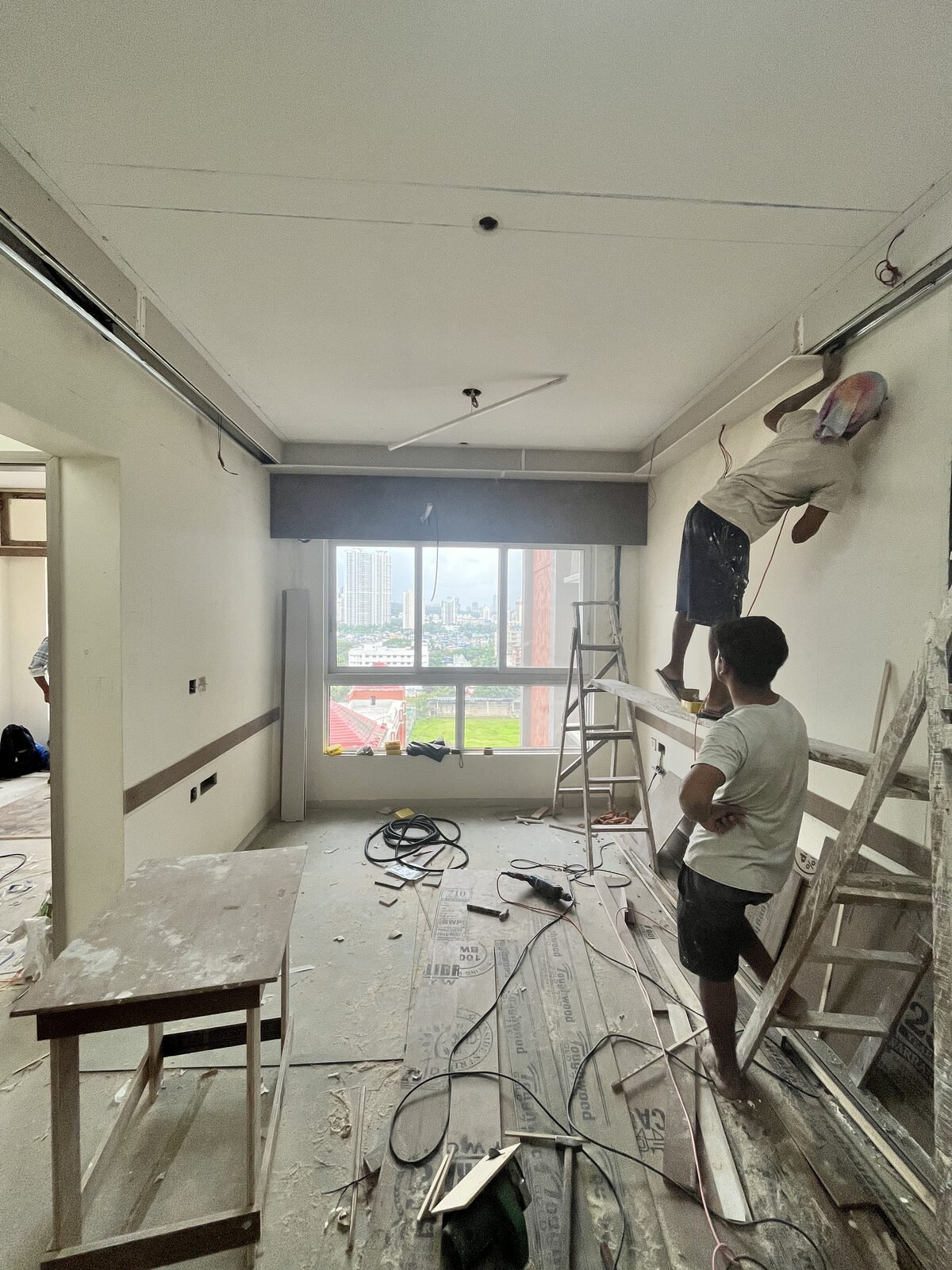
An interior project often involves multiple activities happening at different stages. Civil work, electrical work, carpentry, painting, lighting, furniture, materials and finishing details need to come together correctly.
Poor coordination between these stages can result in delays, rework or compromises in the final design.
Effective project management ensures that different activities are planned and coordinated according to the overall project timeline. This is one of the areas where professional experience can make a significant difference.
Managing Changes Before They Become Problems
Changes are sometimes unavoidable during an interior project. However, not every change has the same impact.
A small change in one decision can sometimes affect materials, dimensions, timelines, costs or other parts of the design. If changes are not assessed properly, they can gradually increase the scope of the project.
This is why changes should be evaluated before implementation. Understanding the impact of a change helps homeowners make informed decisions instead of discovering the consequences during execution.
Budget Clarity Is Important
A professional interior experience also requires financial clarity.
The homeowner should have a clear understanding of what is included in the project, where the budget is being allocated and what decisions may create additional costs.
A realistic budget should be developed around the actual requirements of the space rather than based only on an initial estimate. Transparent discussions around costs can help prevent misunderstandings later and allow better decisions throughout the project.
Attention to Details Creates the Final Experience
Once the major design decisions are made, it is often the smaller details that influence how finished a space feels.
Hardware, edges, alignment, lighting, storage functionality, finishing quality and transitions between materials all contribute to the final outcome.
Professional execution means paying attention to these details rather than treating them as an afterthought. The goal is to make the entire space feel intentional and cohesive.
What a Well-Managed Experience Should Feel Like
A well-managed interior project should give homeowners clarity. They should know what is being planned, why certain decisions are being made, what comes next and how the different stages connect.
The process may still involve decisions and challenges, but there should be a system for handling them.
Professionalism is not about promising that nothing will ever change. It is about being prepared to identify, communicate and manage changes when they happen.
The Rahnee Approach
At RAHNEE DESIGN STUDIO, the focus extends beyond creating beautiful interiors. The experience of getting there is equally important.
From understanding the initial requirements to planning the design, selecting materials and coordinating execution, each stage needs to work together. The aim is to create a structured process where design decisions are intentional, communication remains clear and execution stays aligned with the overall vision. Because homeowners are not just investing in an interior. They are investing their time, money and trust into the process.
Conclusion
A successful interior project is a combination of good design and good management. When planning, communication, coordination, budgeting and execution are handled professionally, the entire experience becomes more organised and predictable.
The final result should not only be a beautiful space. It should also be the outcome of a process that homeowners feel confident about.
At the end of the day, great interiors are not created by design alone. They are created when design, planning and execution work together.